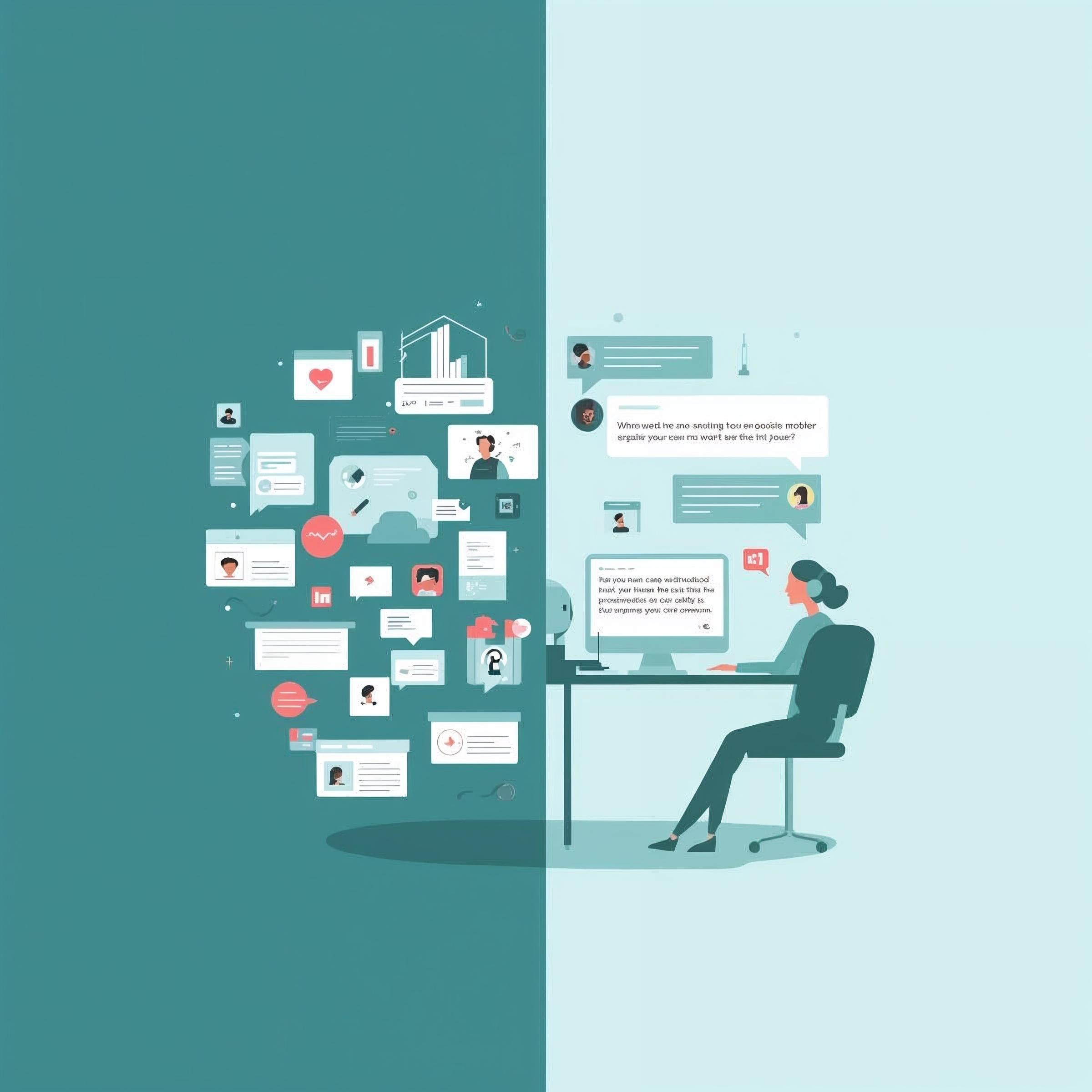

AI in the workplace should feel like a trusted teammate, not a risky experiment.
In Leo’s lens, workplace AI works best when it is secure, role-aware, and grounded in your real project context, so teams can move faster without compromising privacy, compliance, or quality.
What A Secure AI Teammate Means For Teams.
AI in the workplace is often described as “automation” or “chatbots.”
Leo frames it differently: AI should be a secure, role-aware teammate that elevates how people work, not a replacement for people.
A secure AI teammate helps you write, summarise, plan, analyse, and communicate faster, while staying inside the same access boundaries your team already follows.
That means Leo is designed around three practical needs that most teams struggle with when using consumer AI tools.
- Project-based access, so Leo can only see what the user is allowed to see within a specific project.
- Data sovereignty, so businesses can keep control over where data is processed and stored, including enterprise-grade hosting expectations
- Knowledge management, so your runbooks, SOPs, architecture notes, past decisions, and delivery history become usable in day-to-day work.
The value promise is simple and measurable.
Teams get faster decisions, safer collaboration, and provable productivity gains without data leakage.
Leo suggests thinking of this as a work upgrade: less time spent searching and rewriting, and more time spent executing and improving outcomes.
Adoption Gap And Myths Holding Teams Back.
Many employees still do not use AI consistently at work, even when leaders push for it.
That adoption gap is usually not about curiosity or motivation. It is about risk and trust.
Common blockers show up across technology teams, operations, and support.
- Security concerns, because people worry they will paste sensitive data into the wrong system.
- Accuracy concerns, because teams have seen AI confidently produce the wrong answer.
- Change-management concerns, because new tools often arrive without clear rules, training, or accountability.
Those concerns are reasonable, and they are tightly connected to myths that keep teams stuck.
- Myth 1: AI replaces people. In reality, the best workplace AI amplifies expertise and removes friction, while humans still own judgement and accountability.
- Myth 2: AI ignores access boundaries. Many general tools do, but a workplace AI teammate must enforce role-based access control and project permissions by design.
- Myth 3: AI increases risk by default. AI becomes risky when governance is missing, but it becomes safer when there are guardrails, admin controls, and auditable usage patterns.
Leo is built to be human-first.
It respects roles and permissions, so a user only gets answers from the knowledge they are allowed to access.
It explains reasoning, so people can validate and challenge outputs instead of blindly trusting them.
It prioritises project context first, so the output reflects your standards, decisions, and reality, not generic internet advice.
This is how trust forms inside organisations: not through hype, but through predictable, explainable, and governed behaviour.
The Business Benefits Of A Role‑Aware AI Teammate
Role-aware AI changes business outcomes because it reduces friction in the everyday work that slows teams down.
Instead of asking AI to “be smart,” you give it the structure it needs to be useful: project context, decision history, and access boundaries.
Leo’s biggest wins show up in five benefit areas.
Automation Of Repetitive Tasks.
Every team has repeat work that quietly drains hours each week.
Leo helps automate and accelerate these tasks while applying role-aware guardrails.
- Summaries of meetings, tickets, PRs, and long email threads, written in your team’s preferred format.
- Status reports for sprint updates, release notes, and stakeholder comms, generated from project activity and context.
The difference is that Leo is designed for secure workplace use, not copy-paste workflows that accidentally expose sensitive context.
For techn teams, this also means fewer interruptions and fewer “where is that update?” messages.
Smarter Decision‑Making With Project Context.
Most business decisions are delayed by missing context, not missing intelligence.
Teams waste time re-learning past decisions, re-reading architecture notes, and reconstructing why something was done a certain way.
Leo supports context-rich decision-making by grounding answers in your project history and knowledge base.
- It can surface relevant decisions and trade-offs that were made previously, so you do not repeat old debates.
- It can reference architecture notes and standards, helping teams stay aligned with long-term design direction.
- It can turn scattered documentation into clear guidance, including “what we do” and “what we do not do.”
This creates higher-quality decisions because teams are no longer operating on partial memory or tribal knowledge.
Here’s how I see it: context is the real productivity multiplier, and role-aware AI is how you deliver context at speed.
Productivity And Collaboration For Technology Teams.
Technology teams are rarely blocked by coding skill alone. They are blocked by coordination, clarity, and dependency management.
Leo helps teams spend less time hunting for information and more time executing sprints and releases.
- Engineers get faster answers about systems, APIs, and known patterns without interrupting senior team members.
- PMs and delivery leads get clearer visibility into progress, risks, and dependencies without manual consolidation.
- Platform and SRE teams get operational guidance faster during incidents, aligned to current runbooks and procedures.
This supports stronger collaboration because it reduces noise and increases shared understanding.
When people are aligned, handovers improve, releases become smoother, and on-call pressure drops.
Better Experiences For Employees
Better employee experience often comes from small moments: finding the right answer quickly, knowing what “good” looks like, and feeling confident in decisions.
Leo improves employee and customer outcomes by making responses faster and clearer across key workflows.
- Delivery workflows improve because teams can generate consistent stakeholder updates and reduce miscommunication.
- Support workflows improve because agents can draft accurate responses using approved knowledge and escalation rules.
- Incident workflows improve because responders can move from symptom to procedure to resolution faster.
This is also where supportive culture matters.
When employees know AI is safe to use and not a threat to their jobs, they adopt it more naturally and use it to enhance their craft.
Cost Efficiency And Operational Savings.
AI value is not just about “doing more.” It is also about reducing rework and protecting expensive time.
Leo supports cost efficiency through practical operational savings.
- Reduced rework, because outputs are aligned to your standards and context, not generic templates.
- Fewer context switches, because Leo can bring the right knowledge into the flow of work.
- Better reuse of institutional knowledge, because tribal knowledge becomes searchable, shareable, and dependable.
- Consolidated AI spend, because teams can use one governed AI layer instead of multiple unmanaged subscriptions.
For many organisations, this is the path to ROI that holds up under scrutiny: fewer hours lost, fewer errors repeated, and more consistent delivery quality.
The Future Of Work With Leo.
The trendline is clear.
Work is moving from isolated tool usage to AI-mediated collaboration across teams, where AI helps coordinate knowledge, decisions, and execution in real time.
In that future, the winning AI systems will not be the ones with the flashiest demos. They will be the ones that priorities context, security, and explainability.
Leo’s vision fits that direction.
Leo is designed to understand roles, surface the right knowledge at the right moment, and improve over time with safe feedback.
That improvement loop matters because AI should get better without turning into a governance nightmare.
Leo can help highlight reusable patterns, standards, and delivery lessons while ensuring teams do not accidentally access information outside their permissions.
This is where enterprise AI becomes a long-term advantage: better knowledge retention, faster onboarding, and more accurate decision-making at scale.
Leo is also built for multi-model flexibility, so organizations are not locked into a single vendor.
With guaranteed integration of the newest AI models, teams can benefit from improvements across providers while keeping governance, access control, and privacy consistent at the Leo layer.
Work With Us.
If you want AI in the workplace that is secure, role-aware, and built for real delivery environments, Leo is designed for that.
Leo suggests starting with one high-impact workflow like sprint reporting, runbook support, or knowledge-base Q&A, then scaling after teams see measurable wins.
share your key use cases, your security requirements, and where your knowledge lives today, and we can map a safe rollout plan that fits your teams and your governance expectations.